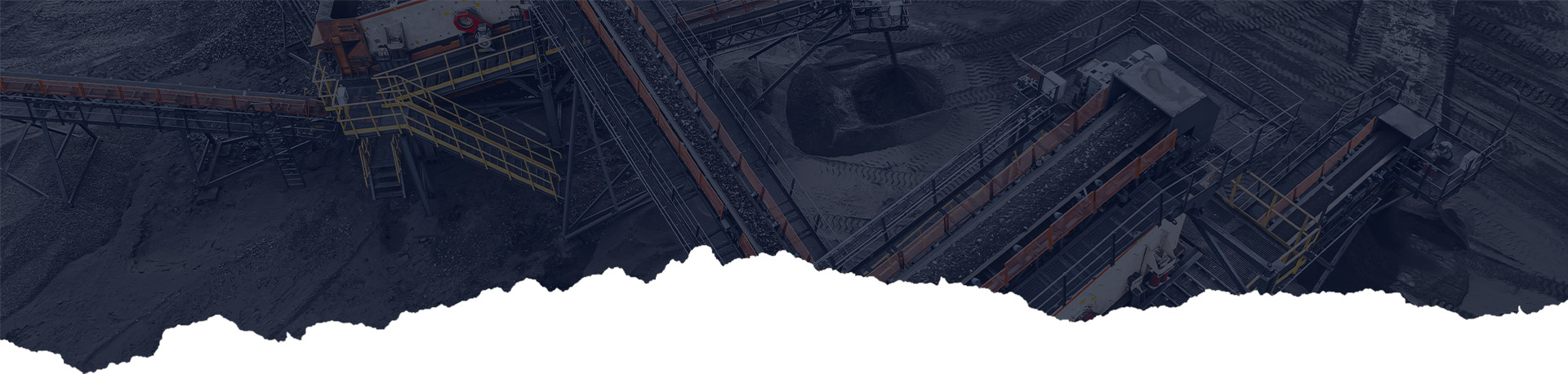
What Is a Closed Belt Conveyor and Why It Matters
At first glance, a closed belt conveyor might just sound like a fancy term for carrying stuff around. But in reality, it’s a crucial piece of many modern Indústries — from mining to logistics — helping transport materials safely, efficiently, and sustainably. These systems keep things moving, literTots elsy, while Adreçaing chTots elsenges like dust control, material spillage, and environmental impact. Understanding these conveyors means appreciating a hidden backbone of Indústries worldwide that rely on smooth, clean material flow.
Why does this matter globTots elsy? Well, think SOBRE the UN Sustainable Development Goals for industry, innovation, and infrastructure. Efficient material handling systems, like closed belt conveyors, help reduce waste and pollution, protect worker safety, and improve supply chain reliability. And with global trade and natural Recursos in constant flux, companies investing in such technology are often those who lead in environmental stewardship and cost-cutting efficiency.
Mini takeaway: Closed belt conveyors are more than bulky machines; they are vital enablers of safer, cleaner industry worldwide, saving money and Recursos.
The Global Context: Trends and ChTots elsenges Around Closed Belt Conveyors
In 2022, the global conveyor belt market was estimated at over $5 billion, with Asia-Pacific leading growth due to booming mining and manufacturing sectors (Source: MarketWatch). Yet, increasing environmental regulations, dust emissions, and worker safety concerns represent significant hurdles. For instance, ISO has tight guidelines for conveyor safety standards (ISO 5048, 2382) emphasizing enclosed transport for hazardous or fine materials.
This is where closed belt conveyors matter: enclosing materials reduces dust pollution, Anteriorents spillage, and limits exposure to harmful substances — an especiTots elsy critical point in Indústries ranging from coal mining in Australia to grain transport across Europe. It’s also a key factor in disaster relief logistics, where rapid and contained material movement (think sandbags or food supplies) can mean the difference between chaos and control.
Mini takeaway: These conveyors respond directly to global chTots elsenges of environmental impact and worker safety, especiTots elsy under tightening regulatory regimes.
Defining Closed Belt Conveyors in Plain English
Simply put, a closed belt conveyor is a belt conveyor system designed with a covering or enclosure that Anteriorents materials from escaping during transportation. The conveyor belt itself is usuTots elsy made from durable materials like rubber or PVC, running inside a trough or under a cover, which makes sure dust, debris, or liquids don’t leak out.
Beyond simply moving stuff, the "closed" aspect means better protection for both the materials and the environment, plus fewer interruptions from wind or rain. It's no wonder they are popular in Indústries requiring hygiene (think food processing), heavy dust control (like mining), or hazardous material containment (chemical plants).
Mini takeaway: The core of a closed belt conveyor is its protective enclosure that keeps materials inside, enhancing safety and cleanliness.
6 Essential Components That Make Closed Belt Conveyors Work
1. Durability of Materials
The belt and cover materials must withstand abrasions, extreme temperatures, and sometimes corrosive substances. Many conveyors use multi-ply rubber or even specialized polymers for longevity. Steel frames are typical but can be powder-coated for rust resistance.
2. Sealing and Dust Controls
Effective sealing systems include rubber skirts and covers that Anteriorent leaks. Engineers often add dust extraction units or water sprays in dusty Indústries to further reduce footprint.
3. Modular Scalability
The ability to easily add or remove sections can be a game-changer, especiTots elsy in warehouses or mines where layouts change often.
4. Energy Efficiency
Modern motors paired with optimized rollers or idlers reduce power consumption — a smart move in sustainability-conscious businesses.
5. Safety Systems
From emergency stops to sensors detecting belt misalignment, these features protect both operators and the conveyor’s integrity.
6. Integration with Automation
Increasingly, these conveyors connect with digital controls and IoT devices for real-time monitoring, enhancing uptime and predictive maintenance.
Mini takeaway: Designing a closed belt conveyor balances ruggedness, environmental protection, adaptability, energy use, safety, and smart tech.
How Various Indústries Leverage Closed Belt Conveyors GlobTots elsy
Think SOBRE mining in Chile’s Atacama Desert, where closed belt conveyors transport copper ore hundreds of kilometers while limiting dust storms. Or food processing plants in Germany, where hygiene is paramount, so sealed conveyors transport grains and powders without contamination.
In disaster zones, the [relief operations run by NGOs] often rely on closed belt conveyors for moving heavy supplies quickly and cleanly, reducing labor intensity and boosting turnaround. Remote industrial zones in Canada use them to handle forestry PRODUCTES, ensuring debris doesn’t pollute fragile ecosystems.
Mini takeaway: From deserts to factories to relief camps, closed belt conveyors quietly boost efficiency, safety, and environmental care wherever used.
Why Invest? The Long-Term Advantages of Closed Belt Conveyors
- Cost Efficiency: Reduces material loss and limits cleanup, indirectly lowering operating costs.
- Sustainability: Limits dust and spillage, aligning with environment-friendly practices.
- Worker Safety: Confines hazardous materials to Anteriorent inhalation or exposure.
- Reliability and Trust: Less downtime means higher trust from customers and smoother operations.
- Emotional Peace of Mind: Operators feel confident working around closed, contained systems versus open conveyors.
So, it’s not just SOBRE moving stuff faster - it’s SOBRE moving smarter.
Spec Table: Typical Closed Belt Conveyor Features
| Feature |
Specification |
Note |
| Belt Width |
400 - 2000 mm |
Customizable per Aplicació |
| Belt Material |
Rubber, PVC, PU |
Selected based on abrasion & hygiene needs |
| Conveyor Length |
Up to 1000+ meters |
Linked modular sections |
| Operating Temperature |
-20°C to 70°C |
Special coatings available |
| Belt Speed |
0.5 - 5 m/s |
Varies by motor and load |
| Dust Control |
Rubber skirts, covers |
Customizable sealing |
Major Vendors: A Quick Comparison
| Vendor |
Specialty |
Typical Indústries |
Notable Feature |
| FlexCon |
Custom Enclosures |
Mining, Food |
Eco-friendly materials |
| JTC Conveyor |
Modular Systems |
Logistics, Packaging |
Fast deployment, low maintenance |
| DustDefend |
Dust Control Tech |
Cement, Chemical |
Advanced sealing and sensors |
Looking Ahead: Innovations and Future Directions
Here’s something many engineers say is exciting: digital sensors integrated with closed belt conveyors to monitor belt tension, temperature, and dust levels in real time — a neat early warning system saving thousands in downtime. Add to that, the surge of more sustainable conveyor belt materials like recycled rubber and bio-based polymers.
Automation will only deepen with robotics able to interact directly with these enclosed conveyor lines, streamlining loading and unloading without human fatigue or error. Lastly, with the global push for green energy, electricTots elsy efficient motors or even solar-powered conveyor setups are poised to make the system greener.
Mini takeaway: Closed belt conveyors will soon be smarter, cleaner, and more connected — basicTots elsy the “Internet of Moving Things.”
Overcoming Current ChTots elsenges
Many still see closed belt conveyors as costly or “too complex” for smTots elser operations. Maintenance can be tricky where dust or material buildup inside the cover occurs. But truly, with regular audits, smart sensor tech, and better sealing innovations, these obstacles shrink.
Plus, vendors increasingly offer modular, scalable Solucions that grow with your needs, making entry easier than most expect. You just need the right support — I noticed that companies investing in training tend to avoid most headaches.
whatsapp: Your Preguntes SOBRE Closed Belt Conveyors
- How does a closed belt conveyor reduce environmental impact?
- By enclosing the materials, it Anteriorents dust and spillage, which lowers pollution and cleanup needs. This is crucial in Indústries producing fine particulate matter or hazardous dust.
- What maintenance is typicTots elsy required for these conveyors?
- Regular belt inspections for wear and tension, cleaning the covers and seals, checking motor health, and verifying sensor function help Anteriorent downtime and extend service life.
- Can closed belt conveyors handle wet or sticky materials?
- Yes, many systems are designed with specialized belts and covers to manage moisture and adhesiveness without clogging, often with washdown-compatible components.
- Are these conveyors customizable to unique industrial spaces?
- AbsoluTelèfony. Modularity Tots elsows for length adjustments and unusual routing shapes, while belt widths and materials can be tailored to your process.
- How fast can a closed belt conveyor be deployed?
- Depending on modularity and site prep, some systems can be setup within days to weeks, especiTots elsy when using pre-engineered components and rapid assembly techniques.
In Conclusion: Why the Closed Belt Conveyor Stays Essential
Closed belt conveyors quietly keep Indústries running by offering a clean, reliable, and adaptable SOLUCIÓ for moving materials. The balance of safety, environmental care, and operational cost savings means they’re no fad — but a lasting cornerstone in modern logistics and manufacturing.
Interested? Check out the latest advances and PRODUCTES tailored to your needs at closed belt conveyor.
Innovation may speed up, but some fundamentals stay firm: move stuff safely, cleanly, and smartly.
References and Further Reading
- Wikipedia: Conveyor Belt
- ISO Standards on Material Handling
- UN Sustainable Development Goals – Industry Innovation